Epithalon (also called Epitalon or Epithalamin) is a synthetic peptide derived from a naturally occurring protein found in the pineal gland. It has gained scientific interest for its potential role in supporting healthy aging, cellular repair, and telomere maintenance—the structures that help protect DNA during cell division.
Research on Epithalon began in Russia in the late 20th century, where it was studied for its effects on cell longevity and circadian rhythm regulation. While it is not FDA-approved for anti-aging or therapeutic use in the U.S., studies suggest that it may help support overall wellness when used under professional supervision.



Epithalon’s proposed benefits are connected to its influence on cellular renewal and oxidative stress reduction. While research is ongoing, scientific studies and anecdotal reports suggest it may:
Support healthy aging by promoting telomere stability
Enhance sleep and circadian rhythm regulation
Aid in immune system balance and resilience
Reduce oxidative damage at the cellular level
Encourage DNA repair and cellular regeneration
Promote general vitality and longevity
It’s important to note that while promising, much of the data comes from early research, and more human studies are needed to confirm these effects.
Epithalon may be considered for adults who:
As with all peptide therapies, Epithalon is not suitable for everyone. It should not be used without consultation and supervision from a qualified healthcare provider who understands peptide-based treatments.


Epithalon is primarily explored for wellness and anti-aging applications, rather than for treating specific medical conditions. Research areas include:
Age-related cellular decline
Oxidative stress and DNA damage
Sleep and melatonin regulation
Immune system modulation
Its role is investigational, and while early findings are intriguing, Epithalon should be viewed as an adjunctive, research-informed therapy rather than a cure or primary treatment.
Supporting healthy aging begins with consistent lifestyle habits. Before considering peptide therapy, try:
These foundational habits can naturally improve cellular function and enhance any future peptide-based approach.

At Blue Skies Health & Wellness, we believe in thorough, evidence-based evaluation before any advanced therapy. Our process includes:
This approach helps ensure that any recommendation supports your whole-person health.
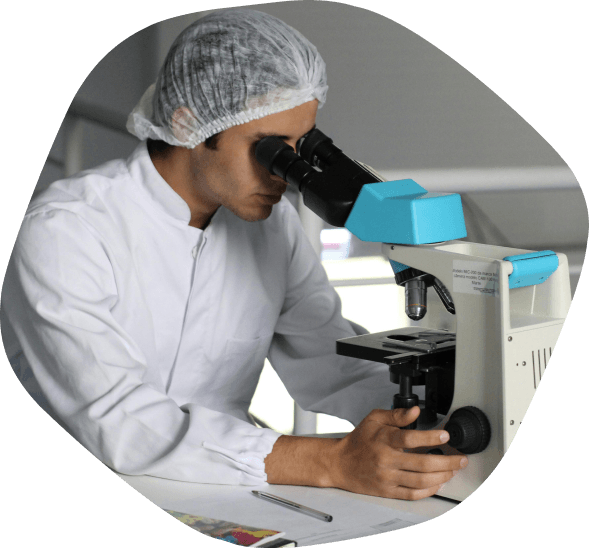
Epithalon is a promising peptide being studied for its potential to support cellular longevity, DNA protection, and healthy aging. Though still under investigation, it highlights the growing interest in regenerative and preventive medicine.
At Blue Skies Health & Wellness, our goal is to guide you with clarity and care—helping you make informed, evidence-based decisions about your health journey. Peptide therapy, when used appropriately and under professional supervision, can be one piece of a broader plan to support vitality, balance, and long-term well-being.